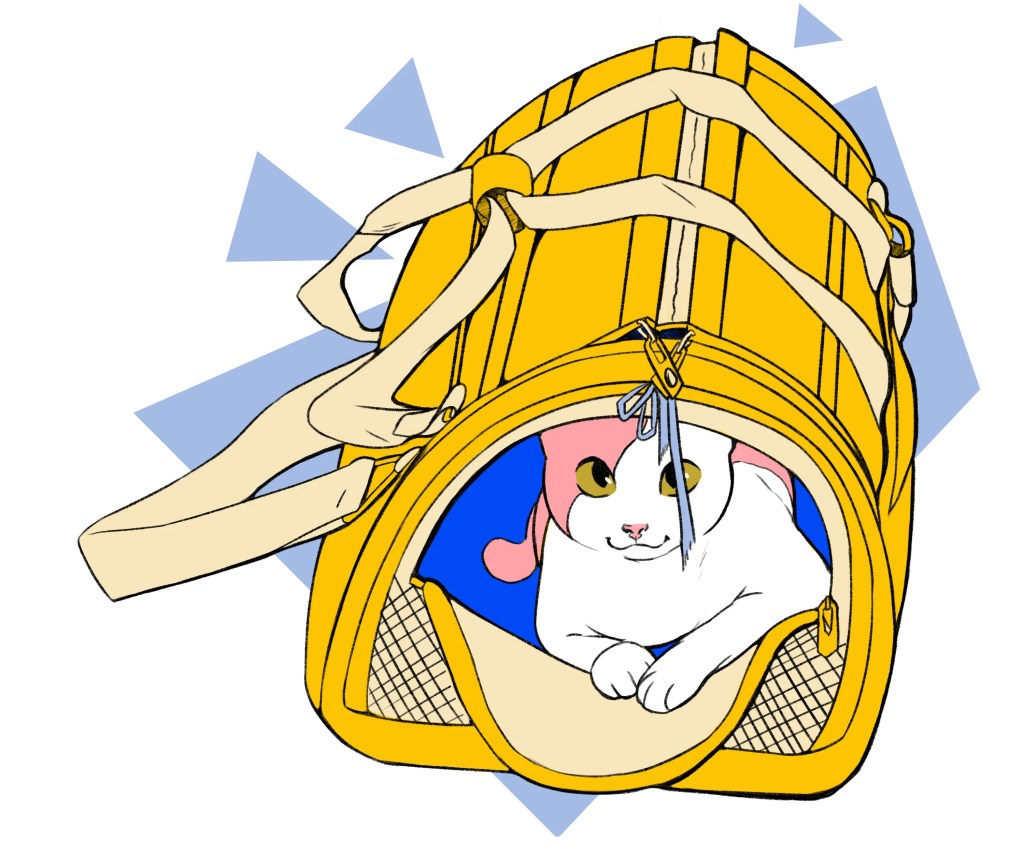
There’s definitely some pet-parent guilt when taking your cat to a vet. They’re miserable, stressed out, possibly hyperventilating and doing the math to decide how long they’re going to snub you when you get home. What’s worse is the wrestling and lashing out at vets and vet techs—you’re there to help your cat, but your cat isn’t making it any easier.
Good news: cats generally don’t like a lot of “new.” Sounds like bad news but it translates to: if you can make the unfamiliar familiar, you reduce veterinary stress… (And maybe make things easier for yourself in the future along the way.)
Step 1: Be Calm
Cliché, I know, but seriously. When you get amped and stressed out, your cat gets amped and stressed out. Cats are surprisingly aware of your overall well-being, and your cat in particular will have a better idea of how you act normally. When you throw them off, they’re expecting the worst.
If you’re gripping them too tight because you’re anticipating a clawing event, you may be facilitating the freak-out by hurting them unintentionally.
Step 2: The Crate
Interrupting their daily play-nap-eat-repeat cycle with the pre-vet routine of pulling out the travel crate is asking for trouble. If they hate the vet, they’ll hate the crate, because they’ve made a connection between the two.
Instead of only getting out The Travel Box of Doom when it’s time to go to The Place of Doom, leave it out (under supervision, to make sure they don’t get stuck). At first, they’ll outright avoid it. Put some treats, catnips, toys, or whatever else counts as a high-value reward for your cat.
Eventually, they’ll realize the carrier isn’t going to eat them, and eat the treat/play with the toy/roll in the catnip. Don’t freak out here either. An explosive cheer of celebration can scare them. Simply let them enjoy it.
Leave it out as much as possible. Some cats will sleep in their carrier with a blanket, that you can then use later during a vet visit. You want your cat to see the crate or carrier as a safe place to be, at home and at the vet.
There are additional reasons to carrier-train your cat, and many of those include their safety. If you need to throw them into the carrier to get out of the house, quick, fighting with your furry baby during the chaos can cost you both.
Definitely carrier-train your cat today (or better yet, yesterday).
Step 3: Handling & Restraint
Ideally, if your cat was raised around a lot of handsy people, they’ll be used to being pet, held, maneuvered—the higher the tolerance, the better, as the veterinary staff will need to manipulate them to feel for wounds or administer shots.
You make the game harder to guess by feigning touches. Instead of fully picking up your cat, you can put your hands under them for a moment and move away. They’ll fight less during the initial pick-up, letting you go on to phase two:
You can acclimate less inclined cats by giving nibbles of treats before and after handling them, or picking up and bringing them to their favorite place. This could be a rug, the couch, the highest perch of their cat tree; wherever you see them enjoy themselves the most! Take them right there.
Then you can increase the journey duration, or simply hold them. Be careful about shoving your cats in
My family has a cat who we rescued as a kitten—she has a broken tail and is infamous in the extended family for biting. I earned the right to pick her up and put her over my shoulder myself by doing everything outlined above. Yes, I also earned a few nips… but when she realized me touching her meant good things, she blessed me with her tolerance.
It’ll take time, but it’s worth it in the long run.
Step 4: The Dreaded Car Ride
You’ve gotten your cat used to the crate and to being held. That’s a third of the battle!
The next phase is ensuring they don’t get sick, hyperventilate, drool… overall panic in the car. If they’re freaking out and attacking their carrier or tearing across the seats of the car, they can get their claws stuck and hurt themselves. Cats also tend to hide, and getting under a seat with a mechanical underside can prove fatal.
Leave them in their carrier, especially if they’re used to it. Give them their favorite toy, a shirt or blanket they use, and set them in the car. Don’t turn it on yet, as the loud noise can scare them.
When your cat can tolerate being in the car without panicking, then introduce the engine noise. Then, when they’re fine with that, go for a short drive around the block… and so on. Baby steps! (Kitten steps?)
It’s alright to give them treats during this process. Just be careful, in case they’re inclined to throw it up. (And don’t be offended if they reject it; sometimes they’re simply too anxious to eat!)
Step 5: Be There for Your Best (Furry) Friend
Don’t just drop your cat off and bail! And don’t set them on the vet counter and let them rampage around the room in a fluster.
You’re also a piece of home for them, so talk to them and comfort them when things get quiet. They may not like it if you reach your hands in and fuss over them—but if they like it when you do it, then feel free.
Petting them and letting them stay hidden in their carrier may also subvert their expectations. When they see a hand enter their crate or carrier, they’ll be less likely to defend themselves as they’ll know it can mean affection.
No more hand-equals-grabbing-equals-fight situations!
Overall, you want to overwrite as many of the negative experiences you can. Reducing the chances of stress or panic means more accurate vet visits, as their hyperventilating or fighting can mask hidden ailments or afflictions.
Plan B: Medication
If all else fails… Your cat still needs to go to the vet. Check-ups and scheduled vaccinations can’t be put on hold because your cat hates the visits.
Talk to your vet. They may be able to prescribe sedatives for severely anxious cats, or recommend other OTC remedies like melatonin treats to help your cat mellow out.
Be careful about the latter, though, as you want to be sure any pet store calming options won’t conflict with their current medications, anything the vet may need to administer that day, or other allergies/ailments. Always, always ask your vet before introducing something new.


Leave a Reply