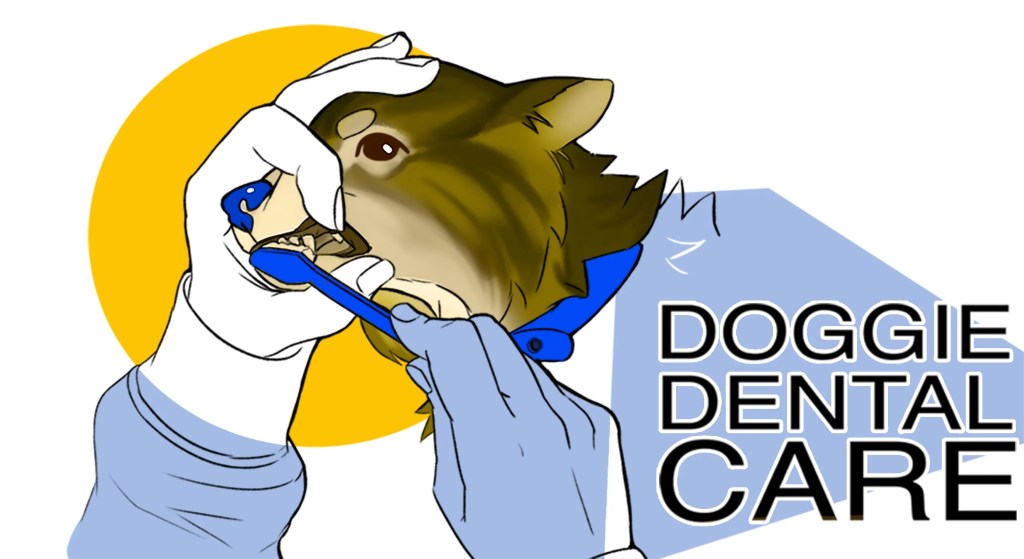
If it eats, it probably gets its teeth cleaned—from your little Maltese to hippos!
Table of Contents
- Why do your pets’ mouths harbor so much plaque and tartar?
- What are the risks of poor dog dental health?
- Methods of Plaque and Tartar Removal
- How to Prevent Plaque and Tartar Build-up
- How Often Should I Clean My Dog’s Teeth?
Yes, it’s a fact that many wild animals don’t need us to oversee their dental care. Wild animals are lucky enough to eat and chew on foods such as hard nuts, bark, bones, and more, introducing a mechanical replacement to dentist visits.
An animal’s teeth (or beak!) naturally evolved alongside its specific diet, allowing it to maintain itself. Then the question is…
Why do our pets’ mouths harbor so much plaque and tartar?
Well, the simple answer: us. We provide our pets with a human-made diet. So if you dropped a dog into the middle of the woods, it certainly wouldn’t be cooking up a kibble dinner.
Nutritional pellets or chicken-flavored paté don’t serve the same purpose as more “naturally” acquired food sources—they may have the nutrients needed, but they won’t have the necessary material to function as cleaners.
What are the risks of poor dog dental health?
Unfortunately, the American Animal Hospital Association (AAHA) reports that most pets will have “some level of periodontal disease” by three years of age. Not some. Most.
Whether it is due to finances or otherwise, pets factually aren’t getting the dental care they need. This can lead to increasingly devastating consequences on their body and quality of life, which may reduce your pet’s lifespan. It’s a harsh truth but a reality that needs to be acknowledged.
Symptoms of dental-related diseases can range from an inability to eat, groom themselves, and play without pain, or more visual effects such as infection-related discharge from the facial area, an overall loss of teeth, and inflammation.
Stinky kisses also signal harmful bacteria growing in their mouth. If you notice an odor, change of behavior, or other oral tissue or teeth discoloration, check in with your vet promptly.
Thankfully, there are plenty of ways to help your dog maintain their dental health to avoid such outcomes.
Methods of Plaque and Tartar Removal
Veterinarian Support
Regular vet visits for routine cleaning are imperative to your dog’s health.
If they find the start of an infection in your dog’s gums, they can apply and prescribe antibiotics. If they see a dangerous build-up of tartar or plaque—they know how to scrub, scrape, or scale it away.
Periodontal disease can lead to other health issues, including harming other organs. The second step in the AAHA’s vet-specific Dental Care Guidelines deals with anesthetized radiography—they can scan for sub-surface health concerns hidden from observation.
It’s good to catch dental disease early; the sooner the intervention, the better the chance of avoiding compounding health issues. The fewer dental issues, the fewer times your dog has to be anesthetized or undergo more dangerous oral surgeries.
You can find a veterinarian dental specialist here, through the American Veterinary Dental College (AVDC). Your local vet may also be able to refer you to an approved dental specialist.
As a Pet Owner
Pet owners can’t follow the AAHA’s steps due to a lack of training and tools. Even if you were to acquire something like a subsonic hand scaler, you risk further damaging your dog’s teeth, so it’s best not to try.
Leave the complex stuff to your dog’s doctor. Sadly, you won’t be able to remove what’s already hardened to their teeth.
However, you can hamper the proliferation of bacteria or slow further infection rates with proper care.
Your best option as a pet owner is preventative care. With your efforts paired with the appropriate tools, you can help your dog reduce the presence of plaque and tartar, making removal and cleaning easier during your dog’s oral check-ups.
How to Prevent Plaque and Tartar Buildup
Mechanically
Also referred to as “abrasive,” this is mainly hand-administered through various tools.
Some examples include:
- Brushing their teeth with a toothbrush or finger brush
- Rubbing their teeth with a clean rag, soft cloth, or dental wipe
- Providing safe chewing alternatives, such as hides or toys
An appropriate dog-specific toothpaste should accompany these mechanical methods to help kill bacteria.
Some methods may work better for your companion than others—a smaller dog may not accept a toothbrush or finger brush as well as a wipe or rag. For tiny chihuahua mouths, I’ve found a wipe easier to get toward their back molars.
Chemically
As the name implies, chemical dental treatments for dogs are nonmechanical. They may or may not require scrubbing in addition to their application, but the primary intent is to introduce beneficial chemicals to aid oral health.
These chemicals can improve a dog’s dental condition by killing germs, soothing irritated gums, and helping reduce tartar build-up.
Some examples include:
- Dental gel applied to the teeth
- Water additives
- Sprays
That said, always talk to your vet before introducing new products. They may conflict with your dog’s current health or medications.
(Another tip: if you have a filtering system, like charcoal-filtered motorized water fountains, water additives may not work. If you’re using a filter, see if you can remove it without compromising or damaging the system. Or swap to a regular stainless steel bowl!)
Combination
Vets recommend setting up a regular chemical and mechanical cleaning regimen. It’s best to introduce oral health practices earlier, such as in puppyhood, as teaching them to tolerate being handled will be easier.
Not every dog is a puppy, but every dog should have healthy teeth. Those with older dogs should know that brushing their teeth may prove difficult, but attentive care, clear dog-to-owner communication, and training will acclimate them to the process over time.
Ideally, your dog will accept the repeated exposure and endure (or even enjoy!) the mechanical portion of their cleanings.
(Your vet will also thank you for a hassle-free oral check-up.)
Note: It’s tempting to overpower stinky dog breath with scented oral health products. Check with your vet, of course, but unscented where possible may help track any improvements to their dental health.
However, when introducing cleaning procedures to a dog for the first time, flavored toothpaste may prove beneficial in building up your dog’s enjoyment of teeth brushing.
How Often Should I Clean My Dog’s Teeth?
VCA Animal Hospital recommends brushing your dog’s teeth no less than three times a week, but ideally, you should clean your dog’s teeth at least once daily, as they eat daily.
Gels, wipes, and powders may be applied once or twice a day as well, depending on the product. Water additives are intended to be added to a bowl of water and diluted, so the measurement is less intentionally administered but generally acceptable.
Non-ingested chews, like toys, should be available under your supervision and removed when you’re no longer present. Taking it away when you’re gone ensures your dog doesn’t swallow inedible objects without you being aware.
Chews meant to be eaten, like Greenies, can be given per the product’s instructions.
Those instructions lead us to the most crucial thing:
Read the package.
For oral and dental solutions, like water additives, there is a set amount to be administered per predetermined volume of water. Adding more than needed can irritate their gastrointestinal tract, causing more harm than good.
Natural chews, such as hides, can perforate your dog’s intestines if swallowed and, therefore, should be monitored at all times (if not outright avoided).
Edible dental chews may have a limit to how often you may provide them to your dog. Ignoring that limit may cause further gastrointestinal irritation or nutritional deficiencies if they refuse regular food in favor of a “treat.”
After approval by your dog’s vet, you should thoroughly adhere to the product’s instructions. You wouldn’t want to drink mouthwash in swigs or eat tube after tube of toothpaste, it would hurt you—don’t do the same to your dog. Dilution and regulation of these products are vital for receiving their full benefits (and, more importantly, avoiding harm).

 Pet Parent Pointers
Leave a reply to Non-Prescription Products for Your Dog’s Dental Health, VOHC Accepted – Pets, People, & Pointers Cancel reply